Land Clearing Services: Preparing Your Property for New Possibilities
Land clearing services are vital for transforming overgrown or cluttered properties into viable spaces for development. These experts carefully eliminate barriers, guaranteeing a solid groundwork for upcoming projects. With a thorough knowledge of site evaluations and environmental guidelines, they improve both safety and usability. Yet, identifying the ideal service can be complicated, and comprehending the process is fundamental. What factors should landowners evaluate before embarking on this endeavor?
How Land Clearing Shapes Your Property Development Journey
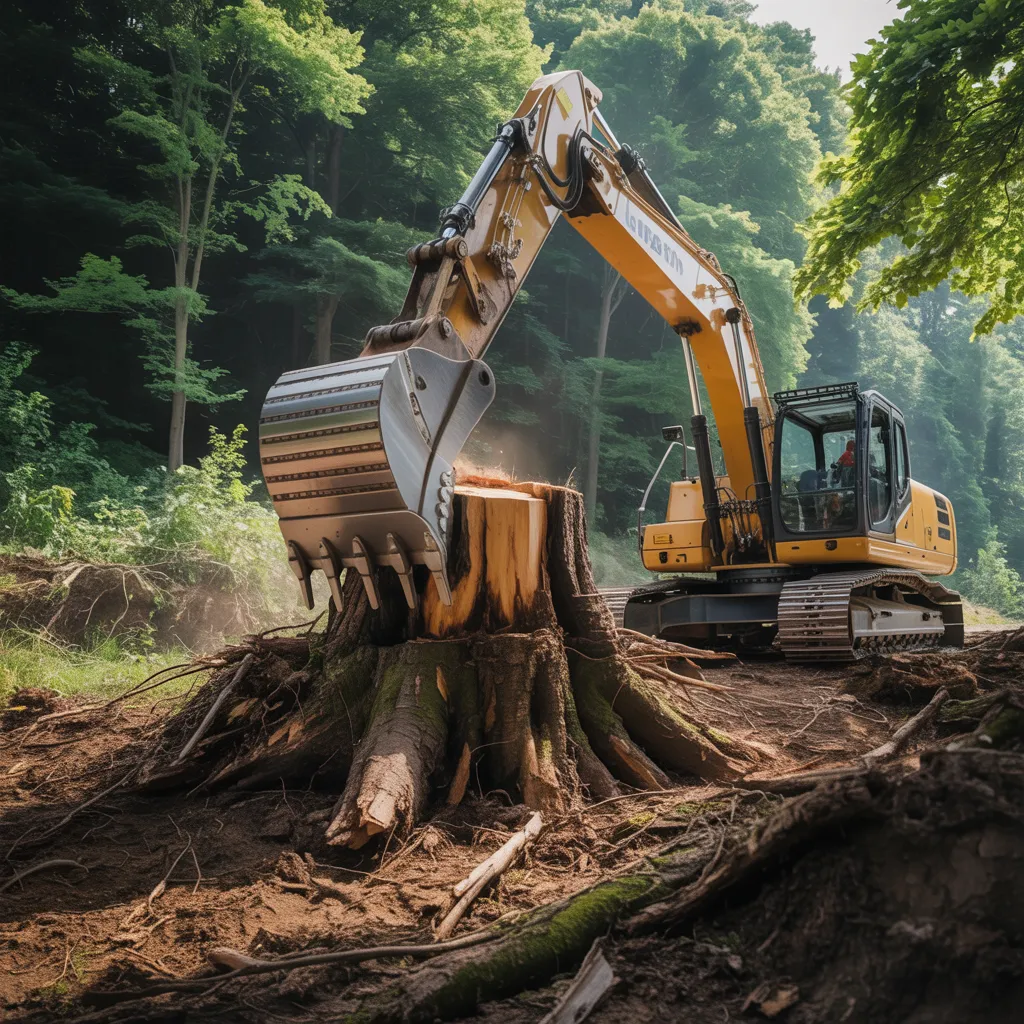
Land clearing begins a pivotal stage in a property development journey by readying the site for upcoming construction. This fundamental first stage requires the removal of obstacles such as trees, shrubs, and debris, establishing a blank canvas for builders and architects. By creating a smooth and even surface, land clearing improves site accessibility, enabling the seamless transport of equipment and materials.
In addition, it establishes the foundation for successful planning and development, as architects can visualize the arrangement and positioning of constructions more accurately. The process also supports detecting potential ecological concerns, such as issues with drainage or soil composition, allowing for forward-thinking solutions.
Moreover, land clearing can increase security by minimizing threats associated with unstable terrain and overgrown vegetation. At its core, this significant measure not only streamlines construction but also fosters a highly structured and purposeful approach to site development, creating the foundation for long-term growth.
Key Steps in the Land Clearing Process
Preparing a site encompasses several key steps that guarantee a seamless and productive workflow. At the outset, a comprehensive site evaluation is performed to identify obstacles such as trees, rocks, and vegetation. This inspection shapes the strategic phase, where removal methods are established, taking into account environmental guidelines and possible effects.
In addition, landowners must typically acquire the required permits, securing compliance with local laws. Once cleared to proceed, heavy machinery, such as bulldozers and excavators, is employed to remove vegetation and debris. Throughout this stage, particular care is taken to reduce soil disruption and safeguard the neighboring environment.
Following the elimination, the property is subjected to ground preparation to establish a even surface, conditioning it for future development or landscaping. To conclude, waste material is disposed of properly, frequently utilizing mulching or recycling, making the site ready for new possibilities. Every step is essential to ensure a effective land clearing operation.
How to Select the Top Land Clearing Company for You
Choosing the right land clearing company requires careful consideration to guarantee the project fulfills both requirements and guidelines. Initially, potential prospects should assess the company's expertise and knowledge in executing similar projects. A seasoned company with a proven track record is frequently more reliable.
Moreover, it is essential to verify that the company carries the proper permits and insurance, securing both the client and the land while the clearing is underway. Additionally, reading customer feedback and testimonials can provide important perspective into the company's reputation and service quality.
Price estimates are equally important, as they should be transparent and detailed, detailing all anticipated expenditures. Property owners should obtain various estimates to ensure they are getting competitive rates. Additionally, strong communication plays a vital role; a reliable firm will handle inquiries and issues in a timely manner, encouraging a cooperative and supportive dynamic. Together, these considerations help identify the most suitable land clearing service for your particular requirements.
Green Methods in Land Clearing
Embracing eco-friendly methods in land clearing is essential for limiting damage to the environment and supporting ecosystem stability. Companies committed to sustainability implement methods that reduce soil erosion, protect indigenous plant life, and safeguard native animal environments. Methods like targeted vegetation removal allow for the removal of only specific trees and shrubs, reducing disruption to the ecosystem.
Furthermore, employing modern machinery built for low-impact operations works to limit compaction of soil and deterioration of adjacent vegetation. Once clearing is complete, practices like reforestation and planting cover crops can restore the land, boosting biodiversity and the overall health of the soil.
Additionally, adopting recycling practices, such as turning cleared vegetation into biofuel or organic mulch, advances a resource-efficient circular economy. Through prioritizing these environmentally responsible practices, land management services can confirm that future development supports ecological stewardship, cultivating a healthier and more vibrant landscape for the generations ahead.
How to Prepare Your Land for Future Projects
Before starting any building or landscaping endeavor, proper land preparation is essential to guarantee a successful outcome. To begin, it is necessary to evaluate the property's topography, soil condition, and drainage systems. This analysis facilitates educated decisions about appropriate vegetation, constructions, or additional improvements. Eliminating debris, stones, and unwanted plant growth from the site is critical, as it provides a clean slate for future work.
Next, soil analysis should be undertaken to evaluate nutrient composition and pH readings, allowing for essential modifications to support vigorous plant development. Additionally, defining the boundaries of the project works to clarify the workflow and helps prevent potential disputes from occurring later.
Finally, creating a comprehensive blueprint that specifies the project's overall timeline, scope, and budget is critical. This structured methodology not only sets clear expectations but also serves as a roadmap for every stakeholder involved, promoting effective movement toward reaching the intended objectives.
The Reasons to Hire Professionals for Your Land Clearing Needs?
Employing trained contractors for land clearing provides access to specialized knowledge in machinery operation and upkeep. Their expertise in safety guidelines and industry standards mitigates risks associated with the clearing process. As a result, this expert methodology improves efficiency while promoting a more secure work environment.
Proficiency In Equipment Use
Managing the challenges of land clearing necessitates professional expertise and advanced equipment, which is where professional contractors stand out. Skilled contractors hold in-depth experience in handling advanced machinery, such as bulldozers, excavators, and stump grinders. This expertise guarantees that work is accomplished efficiently and effectively, minimizing damage to the surrounding environment. Additionally, skilled contractors are knowledgeable about the newest approaches, allowing them to tackle complex terrain and thick overgrowth with skill. Their proficiency not only enhances productivity but also lowers the likelihood of costly errors that can stem from improper equipment use. By engaging skilled contractors, property holders can feel certain that their property will be properly and safely cleared, preparing the groundwork for future development or improvements.
Safety And Regulatory Standards
A complete understanding of safety regulations and standards is essential in land clearing operations, as it secures the preservation of both the environment and workers. Experienced land clearing experts are trained to adhere to industry best practices and local regulations, reducing dangers associated with heavy machinery, hazardous materials, and environmental harm. They implement essential safety measures, including the utilization of personal protective equipment and carrying out risk assessments before commencing work. Following regulatory guidelines not only reduces potential legal issues but also fosters responsible land stewardship. Hiring experts guarantees that all procedures are performed with safety see the details and efficiency, allowing property owners to concentrate on their goals without the burden of navigating complex regulations and safety concerns.
Questions We Often Receive
What Permits Are Necessary for Land Clearing Projects?
Required permits for land clearing projects commonly consist of environmental permits, grading permits, and possibly local zoning approvals. Rules and regulations differ by location, so consulting local authorities confirms compliance with all relevant legal requirements before starting the project.
What Is the Typical Duration of the Land Clearing Process?
The land clearing procedure usually spans one to several weeks, based on factors including the overall size of the area, the density of vegetation, and prevailing weather conditions. Every project is different, significantly affecting the overall timeline.
Does Land Clearing Enhance Property Value?
Certainly, clearing land can increase property worth. By getting rid of barriers and improving the overall appearance, it renders the land more attractive to future purchasers, thereby boosting marketability and total value of the real estate in the housing market.
What Equipment Is Employed in Land Clearing?
Land clearing typically employs equipment such as bulldozers, excavators, chainsaws, and chippers. These tools efficiently remove trees, brush, and debris, making the land ready for agricultural activities or future development.
What Are the Risks of DIY Land Clearing?
Yes, there are risks associated with DIY land clearing such as harm from operating heavy machinery, damage to surrounding property, and negative environmental impact. Moreover, incorrect methods can cause legal problems surrounding required permits and regulations, making the process even more complicated.