Why Choosing the Right Excavation Contractor Can Make or Break Your Project
Selecting the right excavation contractor can significantly impact the outcome of a construction project. Their expertise affects not only site preparation but also safety and regulatory compliance. A reliable contractor guarantees quality workmanship and effective communication. In contrast, choosing a less experienced or low-bid option may result in costly delays and risks. Understanding the complexities of this selection process is essential. What factors should one consider to secure a successful partnership?
Understanding the Function of an Excavation Contractor
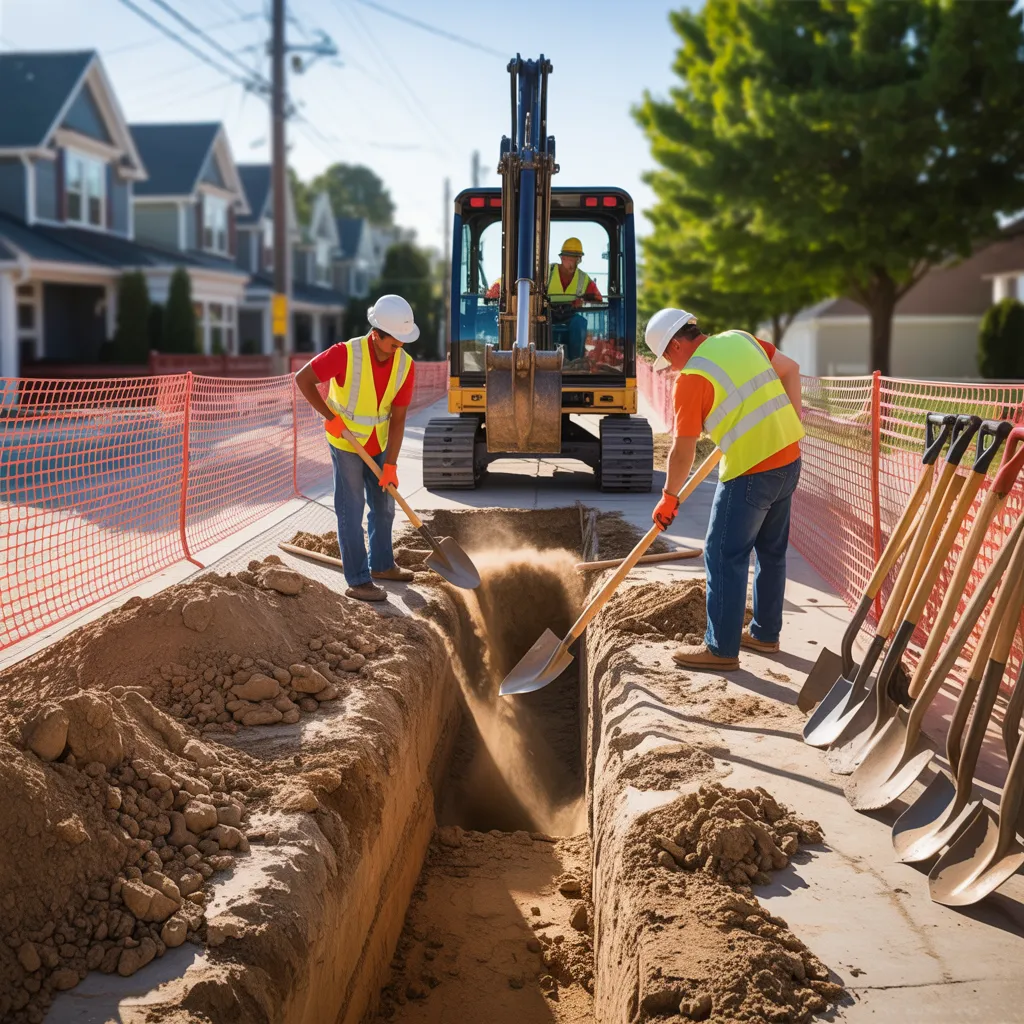
Excavation contractors play an essential role in the construction process, serving as the foundation for any project. These professionals are charged with preparing the site by removing soil and debris, leveling the ground, and creating the required trenches and foundations. Their work ensures that the construction area is secure and appropriate for subsequent building activities.
Excavation contractors utilize specialized tools such as excavators, bulldozers, and backhoes, which are crucial for efficient site preparation. They must also follow local safety codes and regulations, guaranteeing compliance throughout the entire excavation process.
Moreover, they work with other construction teams, supplying vital information about soil find the information conditions and site topography. Their expertise helps to prevent potential issues that could develop during construction, consequently safeguarding the overall integrity of the project. As a result, understanding the role of an excavation contractor is crucial for any successful construction initiative.
Key Characteristics for a Professional Excavation Contractor
A reliable excavation contractor possesses several vital qualities that guarantee project success. Above all, effective communication skills are essential; they ensure that all parties are aware of project timelines, expectations, and any potential issues. Additionally, a strong commitment to safety is critical, as excavation work involves considerable risks. A trustworthy contractor prioritizes safety protocols and compliance with local regulations.
Additionally, adaptability is a crucial quality. Excavation projects often meet unpredicted conditions, and a competent contractor must adapt plans accordingly to sustain progress. Technical expertise, including experience with diverse machinery and techniques, is also crucial, empowering the contractor to execute tasks effectively and accurately.
Lastly, a strong reputation, reinforced by favorable client testimonials and industry references, reflects reliability and professionalism. By possessing these essential qualities, a reliable excavation contractor substantially supports the complete success of any construction project.
Assessing Experience in Excavation Contractors
While evaluating excavation contractors, industry knowledge is necessary to ensure compliance with regulations and best practices. Also, project-specific expertise can greatly influence the caliber and efficiency of the work performed. Understanding these factors facilitates selecting a contractor who can meet the unique demands of a given project.
Industry Expertise Matters
Examining the experience of excavation contractors is vital, as industry knowledge directly impacts the success of a project. Contractors with comprehensive industry knowledge are more proficient at maneuvering through the complexities of excavation work. They understand local regulations, soil types, and geological conditions, which can greatly influence project outcomes. Additionally, seasoned contractors are familiar with the latest technologies and techniques, allowing them to maximize efficiency and reduce costs. Their experience also empowers them to anticipate potential challenges, leading to proactive problem-solving. In contrast, less experienced contractors may overlook essential factors, resulting in delays and increased expenses. In the end, selecting a contractor with solid industry knowledge is essential for ensuring a smooth excavation process and achieving project goals.
Project-Focused Specialization
Examining project-specific expertise is crucial in choosing an excavation contractor. Contractors with applicable experience possess a deep understanding of the unique challenges connected to various projects, such as residential developments, commercial sites, or infrastructure projects. Their familiarity with local regulations, soil conditions, and environmental considerations can greatly influence project efficiency and compliance. A contractor's track record in similar projects serves as a trustworthy indicator of their capability to manage complexities and mitigate risks. Additionally, reviewing their past performance through client testimonials and case studies can provide insights into their problem-solving skills and adaptability. Ultimately, selecting a contractor with project-specific expertise assures that the excavation phase aligns seamlessly with the overall objectives, laying a solid foundation for success.
How Correct Equipment Increases Excavation Efficiency
Selecting the right equipment substantially increases excavation efficiency. The selection of machinery significantly influences the pace and quality of work. For instance, modern excavators equipped with advanced hydraulic systems permit precise movements and faster digging, reducing project timelines. Additionally, specialized attachments, such as augers or grapples, can improve versatility, allowing contractors to tackle multiple tasks without switching equipment.
In addition, utilizing well-maintained equipment minimizes breakdown chances, guaranteeing consistent progress. Personnel trained to use specific equipment can enhance performance, leading to better fuel efficiency and reduced operational costs. Furthermore, the integration of technology, such as GPS and telematics, allows for better project tracking and resource management, increasing productivity. Eventually, the right tools enable excavation contractors to complete projects more effectively, making sure timelines and budgets are met while maintaining superior standards. Thus, proper equipment is an essential factor in achieving successful excavation outcomes.
Navigating Permits and Regulations
Maneuvering permits and regulations is a crucial aspect of the excavation process that can greatly affect project timelines and costs. Prior to starting any excavation work, it is essential for contractors to comprehend local, state, and federal requirements. This typically involves acquiring necessary permits, which may include land use permits, environmental assessments, and utility clearances.
A skilled excavation contractor will consistently communicate with regulatory bodies to ensure compliance. This not only streamlines the permitting process but also decreases the risk of costly delays or fines. Moreover, understanding zoning laws and potential restrictions can eliminate unexpected obstacles during the project.
Contractors must also stay informed about regulatory changes, as these may influence active projects. Effective communication with stakeholders, such as property owners and local authorities, promotes a cooperative environment that additionally supports compliance with all legal requirements. Ultimately, meticulous handling of permits and regulations is critical for the successful implementation of any excavation project.
Examining Cost versus Value of Excavation Contractors
When assessing excavation contractors, it is vital to review the complete project budget while considering the overall value presented. Going with the lowest bid may not always ensure quality, which can bring about higher costs in the long run. A balanced approach that measures cost against the quality of work is vital for successful project outcomes.
Calculating Full Project Investment
How does one effectively balance cost and value when evaluating excavation contractors? To assess the total project budget, it is essential to take into account both the immediate costs and the long-term benefits associated with hiring a particular contractor. This requires examining the comprehensive quotes supplied by prospective contractors, making certain they cover all required services and materials. Moreover, it's important to examine the contractor's track record, proficiency, and equipment condition, as these aspects can substantially influence project success. Assessing quotes shouldn't merely prioritize the bottom price but should additionally factor in the likely risks and unexpected costs that may develop from opting for an unproven contractor. In the end, a balanced assessment emphasizes both budgetary limitations and the total value provided.
Excellence Over Minimum Cost
Reviewing excavation contractors demands a keen focus on quality rather than merely opting for the lowest bid. While budget constraints are crucial, picking a contractor based solely on price can lead to compromised work and costly mistakes down the line. Quality contractors often bring significant experience, advanced equipment, and skilled labor, ensuring projects are completed efficiently and safely. They are more likely to adhere to local regulations and industry standards, minimizing the risk of delays and unexpected expenses. Furthermore, investing in a reputable contractor can improve the overall value of the project, delivering exceptional results that align with long-term goals. In the end, prioritizing quality over the lowest bid can protect both the project's integrity and the client's investment.
What Should You Ask Before Hiring an Excavation Contractor?
What critical questions should be raised before hiring an excavation contractor? Important questions center on the contractor's experience and qualifications. Interested parties should request information about the contractor's previous projects, specifically those equivalent in scope and complexity. In addition, verifying licenses and insurance is vital to confirm compliance and protection against liabilities.
Inquiring about the equipment used can reveal the contractor's capability and efficiency. Clients should also seek clarity on the project's timeline, including how potential delays are handled. It's advisable to discuss safety protocols and the contractor's approach to site management.
Questions regarding the equipment used can reveal the contractor's competence and productivity. Clients should also seek clarity on the project's timeline, including potential delays and how they are managed. It's recommended to discuss safety protocols and the contractor's method to site management.
Questions about the equipment used can uncover the contractor's effectiveness and capability. Project owners should also request clarity on the project's timeline, including how possible delays are addressed. It's advisable to discuss safety protocols and the contractor's stance to site management.
Last but not least, securing references from prior clients can give valuable information into the contractor's reliability and workmanship. By posing these targeted questions, property owners can make well-informed decisions, ultimately improving the chances of a successful excavation project.
Frequently Asked Questions
Key Mistakes to Avoid When Hiring an Excavation Contractor
Typical errors when hiring an excavation contractor include omitting to verify references, failing to verify licensing and insurance, ignoring detailed contracts, failing to accurately assess project timelines, and not specifying specific project requirements clearly. These oversights can cause complications.
How Can Weather Conditions Impact Excavation Timelines?
Weather patterns significantly impact excavation timelines. Rain can cause site delays, while extreme temperatures may hinder equipment performance. Moreover, icy soil makes excavation difficult, making it necessary for contractors to adjust timelines according to existing climate conditions.
What Safety Measures Should Excavation Contractors Implement?
Excavation contractors should implement safety measures such as comprehensive site assessments, equipment inspections, worker training, hazard identification, personal protective equipment usage, and emergency response protocols to guarantee a safe working environment and prevent accidents.
Are Excavation Contractors Handle Environmental Concerns?
Excavation contractors can indeed assist with environmental concerns. They typically implement strategies such as erosion control, waste management, and habitat preservation, making sure projects comply with regulations and minimize ecological impact during the excavation process.
How Do Excavation Contractors Address Unforeseen Site Obstacles?
Excavation specialists tackle unanticipated site challenges by carrying out detailed assessments, modifying plans as needed, and utilizing specialized equipment. Their experience empowers them to navigate challenges proficiently while limiting delays and ensuring safety throughout the project.